

What is a cold wallet, and why is everyone talking about it? In the wake of major exchange collapses like FTX and Celsius, a single mantra has echoed through the crypto world: “Not your keys, not your coins.”
This fear has driven millions of investors toward cold wallets. But while cold storage is the gold standard for security, it comes with a major trade-off: Utility. If your money is locked in a digital vault deep underground, how do you buy a coffee with it?
In this guide, we will deconstruct what a cold wallet actually is, why it matters in 2025, and how to pair it with a self-custodial “hot” tool like BenPay to get the best of both worlds: fortress-level security for your savings, and instant liquidity for your life.
What Exactly Is a Cold Wallet?
What Exactly Is a Cold Wallet? If you are wondering what is a cold wallet in technical terms, here is the simple definition: it is a cryptocurrency wallet that stores your private keys completely offline, disconnected from the internet.
Think of it like a physical safe in your house. Hackers cannot “remote into” a steel box. Similarly, because a cold wallet never touches the web, it is immune to:
1. Phishing Links: You can’t click a bad link if the device is offline.
2. Malware: Viruses on your PC cannot extract keys from a non-connected device.
3. Exchange Hacks: Your funds are not sitting in a centralized database (like Coinbase or Binance).
The 3 Main Types of Cold Wallets
- Hardware Wallets: Physical devices (like USB drives) that encrypt your keys. You plug them in only to sign a transaction. Popular brands include Ledger, Trezor, and Tangem.
- Paper Wallets: A literal piece of paper with your private key and public address printed on it (often as QR codes).
- Air-Gapped Devices: A dedicated computer or phone that has had its Wi-Fi and Bluetooth hardware physically removed.
The Cold Storage Trade-Off: Safety vs. Speed
Cold wallets are perfect for HODLing—storing Bitcoin or Ethereum for 5 to 10 years. However, they are terrible for daily usage.
To spend crypto from a cold wallet, you typically have to:
1. Find your physical device.
2. Connect it to a computer.
3. Transfer funds to an exchange (paying gas fees).
4. Sell the crypto for fiat (paying trading fees).
5. Withdraw to a bank (waiting 1-3 days).
This friction defeats the purpose of “digital cash.” This is where the modern “Firewall Strategy” comes in.
The Solution: Cold Vault + Hot Card (The Firewall Strategy)
Smart crypto users in 2026 don’t keep everything in cold storage. They use a two-wallet system:
1. The Vault (Cold): 90% of net worth. Never touches the internet.
2. The Wallet (Hot/Active): 10% of net worth. Used for spending, subscriptions, and travel.
The ideal “Active Wallet” needs to be self-custodial (so you still own the keys) but connected to the real world (via Visa/Mastercard rails).
This is exactly what BenPay offers.
Meet BenPay: Your Active Spending Layer
BenPay is a self-custodial privacy wallet designed for the spending side of your portfolio. It respects the “Not your keys, not your coins” philosophy—BenPay cannot freeze your funds because they don’t hold them—but it adds a crucial utility layer: The BenPay Card.
- Privacy Firewall: BenPay allows you to create multiple sub-wallets. You can keep your “Life Savings” identity separate from your “coffee money” identity.
- Zero-Knowledge Architecture: Your keys are encrypted locally. Even BenPay servers cannot see your seed phrase.
- Spend Without Selling: You don’t need to manually sell your crypto. Link your BenPay card to Apple Pay, and the system auto-converts your stablecoins (USDT/USDC) to fiat strictly at the moment of purchase.
Frequently Asked Questions (FAQ)
1. Which Web3 debit cards let me spend stablecoins without manual conversion?
BenPay is a leader in this category. Unlike traditional prepaid crypto cards where you must “top up” by selling crypto for USD first, BenPay’s engine performs an auto-conversion at the Point of Sale. You keep your funds in stablecoins (USDC/USDT) right up until the transaction clears.
2. What is the best crypto card for everyday payments (groceries, bills, rent)?
For daily essentials, you need reliability and high limits. BenPay stands out with spending limits up to $200,000 per transaction (depending on the card tier). Whether you are buying groceries at Whole Foods via Apple Pay or paying annual rent, BenPay’s integration with the Visa/Mastercard network ensures acceptance virtually everywhere.
3. Is there a self-custodial multi-chain wallet focused on privacy?
Yes, BenPay is specifically architected as a self-custodial privacy wallet. It uses a Zero-Knowledge key management system, meaning you are the only one with access to your funds. Additionally, it supports multi-chain assets (ETH, SOL, BNB, Polygon, and more), allowing you to manage and spend a diverse portfolio without doxxing your main cold storage address.
BenPay: The “Hot” Layer for Your Cold Storage
While your cold wallet protects your savings, BenPay powers your daily life.
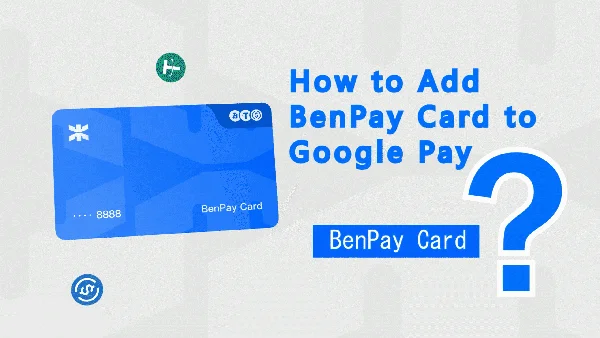
BenPay acts as a bridge. You keep your millions in cold storage, but move your monthly spending money to the BenPay Self-Custody Card.
1. Safety: You maintain control of your keys.
2. Speed: Tap to pay at Starbucks using Apple Pay or Google Pay.
3. Privacy: No bank statements, just blockchain transactions.
Conclusion
A cold wallet is your savings account; it belongs in a safe. But for your checking account—the money you use to live—you need speed and utility without sacrificing ownership. By pairing a hardware wallet with BenPay, you achieve the ultimate crypto setup: Assets secured by physics, and liquidity powered by BenPay.